
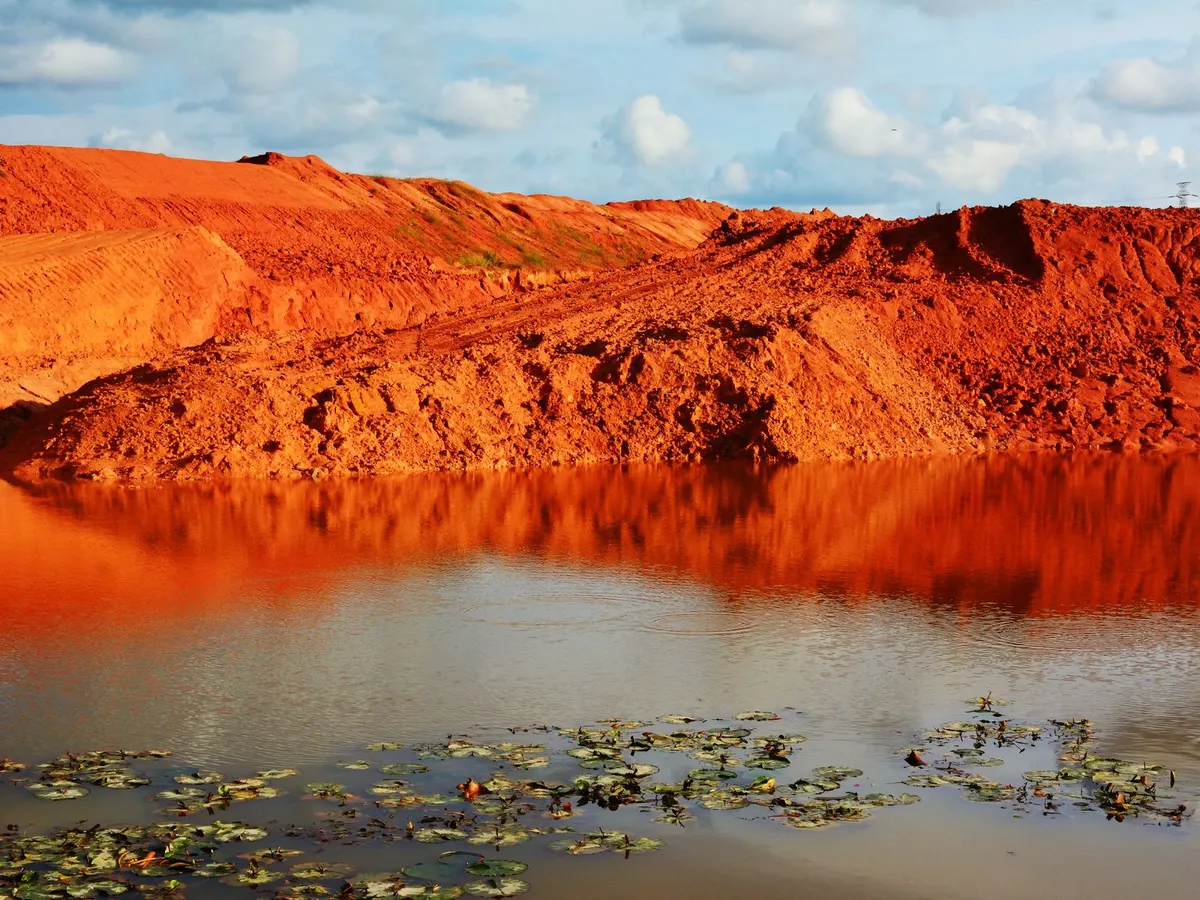
Why does red clay stain so badly?
The soil around Charlotte is rich in clay, and iron in that clay gives it the orange red color. The particles are very fine, so they slip into small pores in concrete, brick and textured siding. Rain splashing off bare ground leaves a band of color low on walls, and tracked in mud spreads it to walkways and steps.
It is worst around new construction, in subdivisions like those in Harrisburg and Indian Trail, where lawns are still filling in and every hard rain washes clay onto driveways and siding.
How do you get red clay off siding?
Start by hosing off loose dirt. Then wash with a soft brush and a mild soap such as dish soap in a bucket of water, working in sections and rinsing well before anything dries on the wall. On siding, gentle and patient works better than strong and fast.
- Wash from the bottom up and rinse from the top down, so dirty water does not streak clean siding.
- If you use a pressure washer, use low pressure and a wide spray, and keep the wand pointed down. Spraying upward can push water behind the boards.
- Check the siding maker’s guidance before using anything stronger than soap.
How do you get red clay off concrete and pavers?
Sweep or brush off dried clay, hose the surface, then scrub with a stiff brush and a concrete cleaner or detergent. Concrete can take a pressure washer with a wide tip. Keep the wand moving and a steady distance away, since too close leaves stripes.
- For stains that survive a scrub, use a rust or clay stain remover made for your surface, and follow its label exactly.
- Test a hidden spot first, work in a ventilated area, keep children and pets away, and wear gloves and eye protection.
- Do not use acid based removers on natural stone such as marble or limestone, which they etch, and be careful on colored or sealed concrete and near metal.
- Wet nearby plants first and rinse well.
- Never mix cleaners, especially anything with bleach.
- Pressure washing pavers can wash out the sand between them. Plan to top it up.
How do you keep red clay from coming back?
The lasting fix is keeping bare clay from splashing or being tracked onto hard surfaces in the first place. Most of that comes down to covering the soil, moving water away from walls and walkways, and catching clay at the door before it spreads. These steps help the most.
- Cover bare soil beside walls and walkways with mulch or ground cover.
- Send downspouts and gutters away from foundations and paved areas.
- Put doormats at every entrance, and hose off splash zones after heavy rain.
- Ask the maker of a concrete or paver sealer whether it suits your surface. A sealed surface is often easier to rinse.
When should you stop scrubbing?
Brick, stucco, painted surfaces and large areas are harder to clean without damaging them. If a test spot gets worse or the stain does not budge, stop there and get advice before trying something stronger. Pushing harder with a stronger cleaner or more pressure is how stains turn into etched or streaked surfaces.
What do people ask next?
These are the questions that usually follow this one, each with a short answer you can act on.
Will bleach remove red clay?
Not reliably. Iron stains do not respond well to bleach, and it can harm plants and some surfaces. A cleaner made for rust and clay is a better choice, used exactly as its label says and tested on a small hidden spot first. Never mix it with bleach or any other cleaner.
Can I pressure wash vinyl siding?
Many people do, carefully. Use low pressure, point the spray down, stay back from the wall, and check the siding maker's guidance first.
Why does the stain come back after rain?
If bare clay soil is still beside the wall or walkway, rain will splash it up again. Covering the soil is the lasting fix.